Life of a Fisheries Technician in the Canadian Arctic
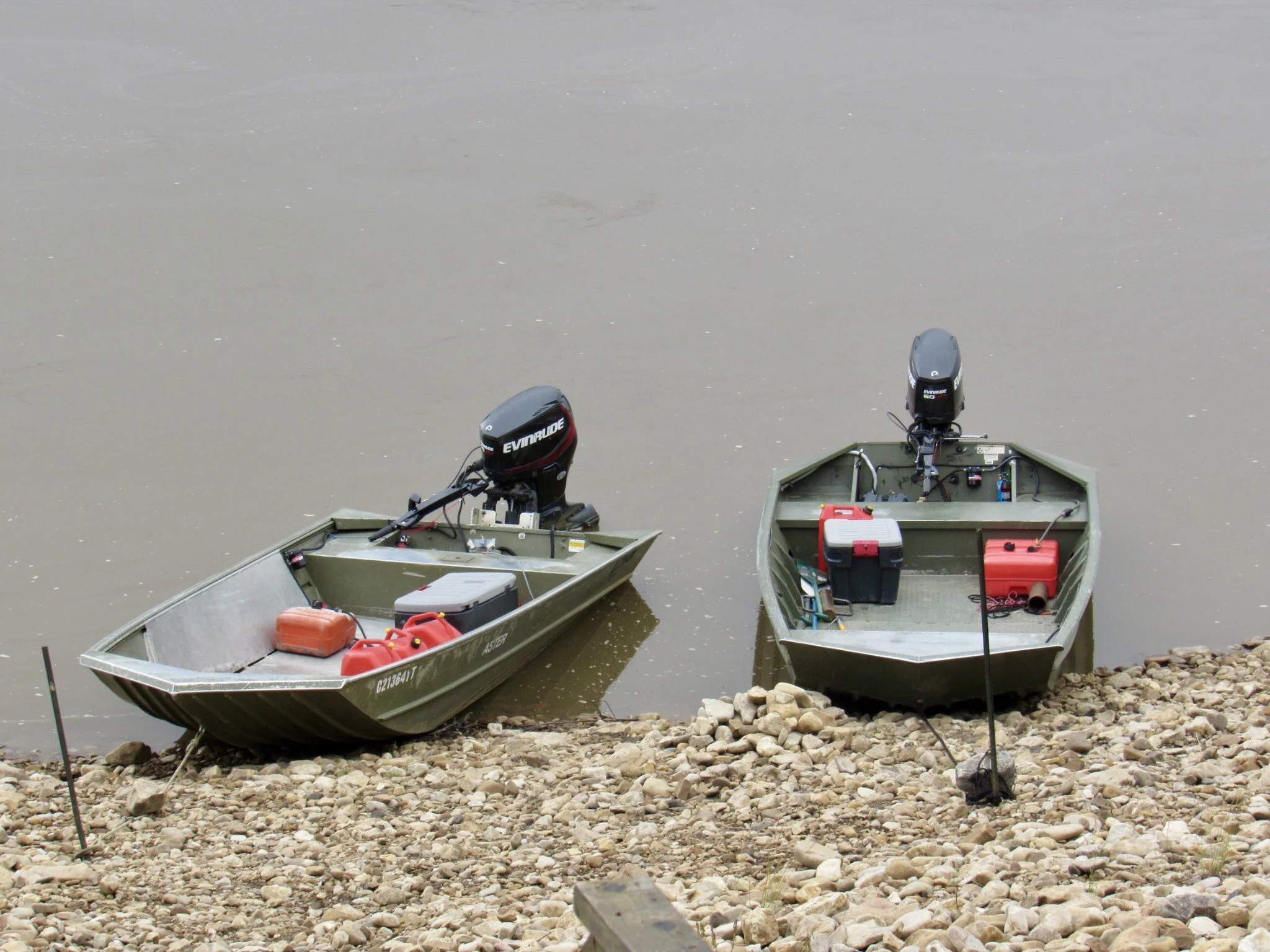
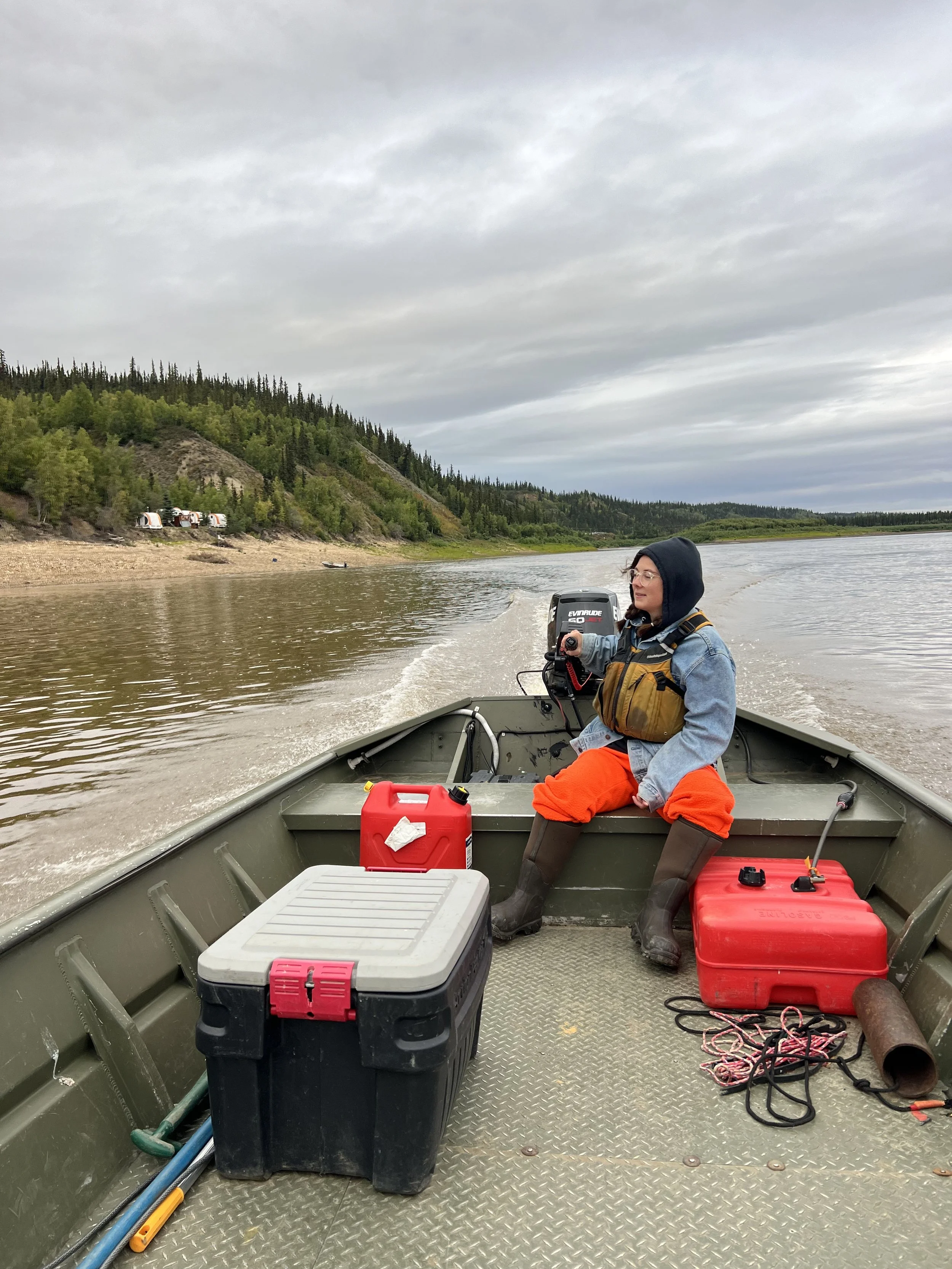
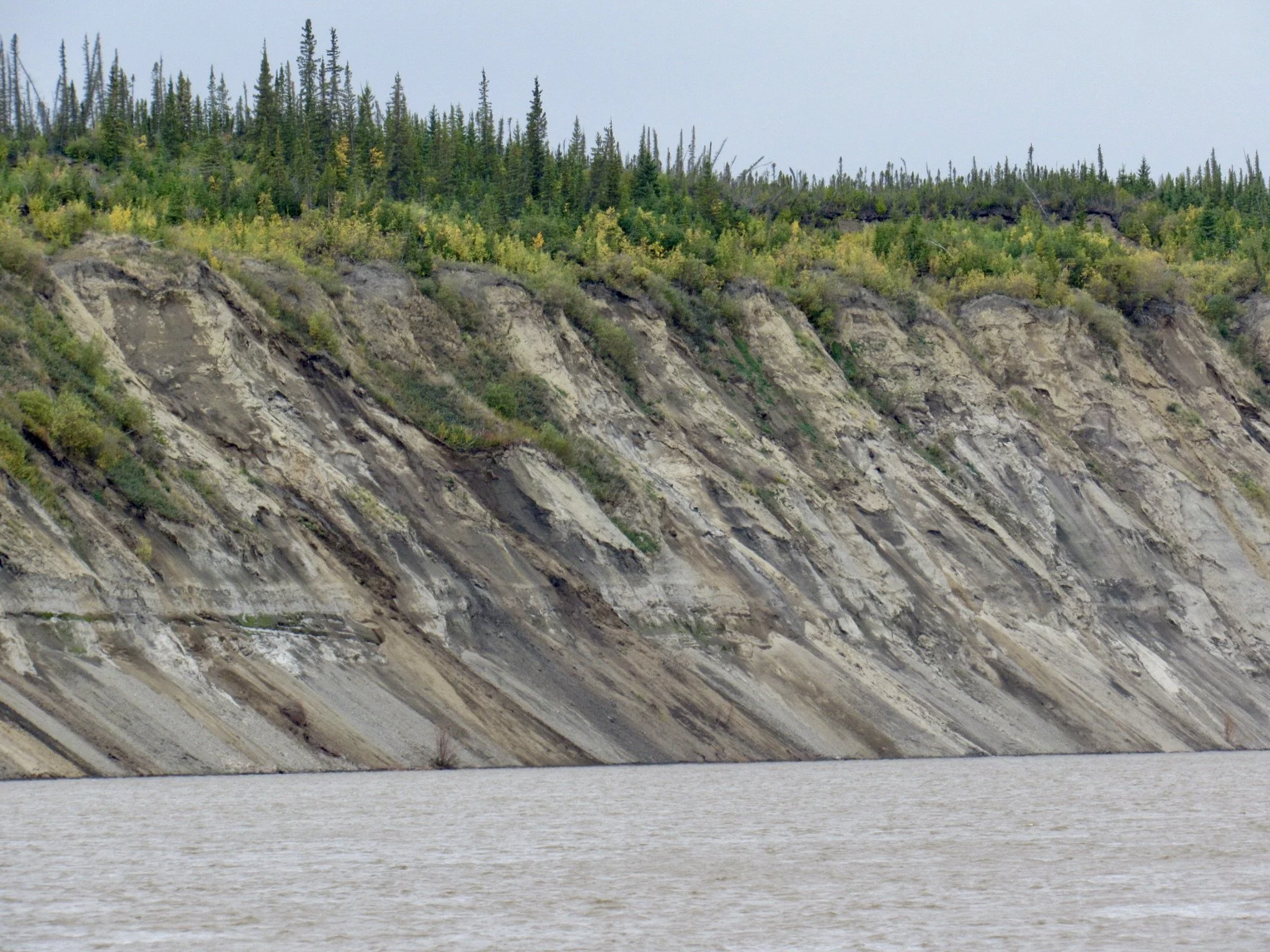
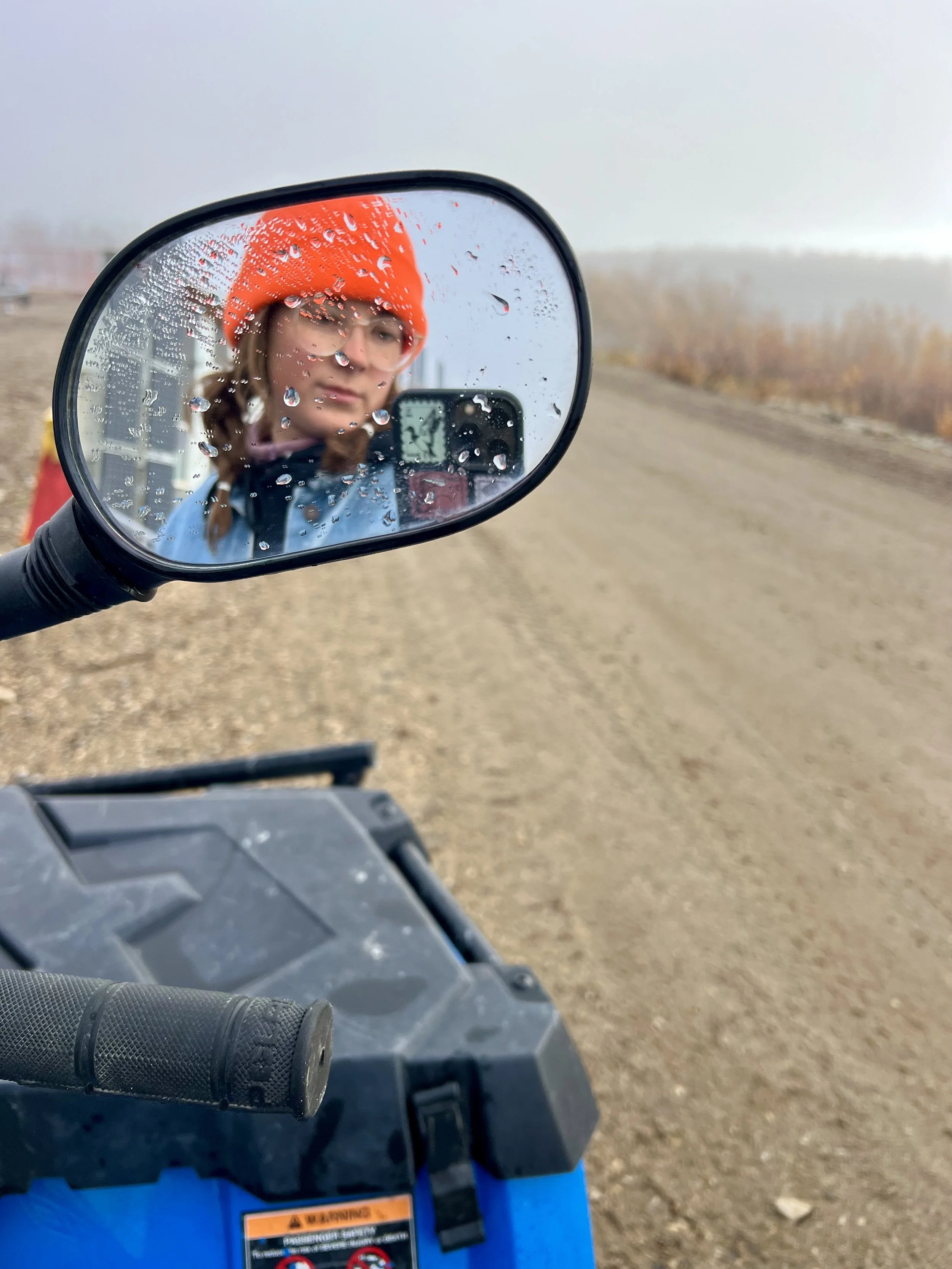
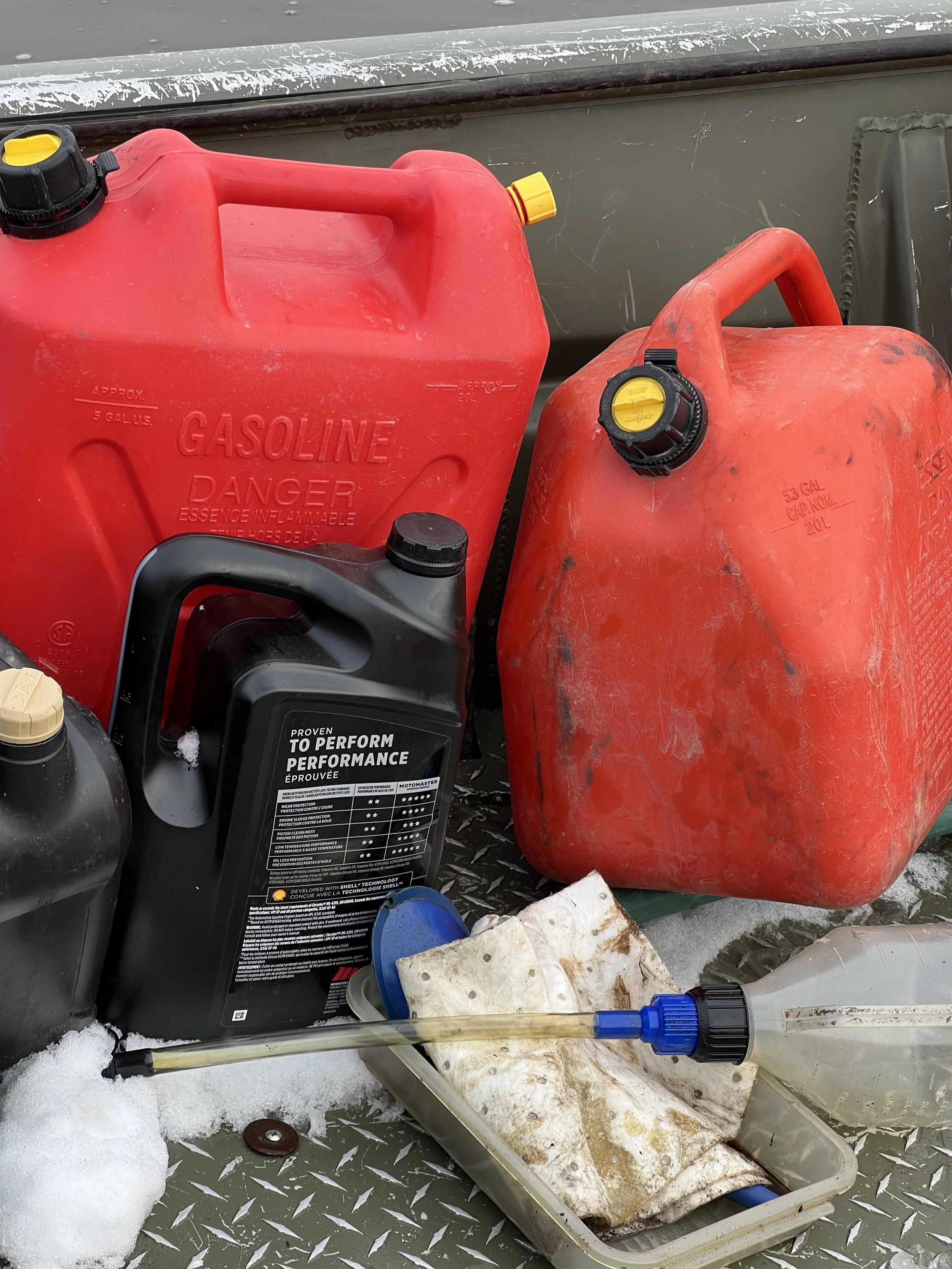
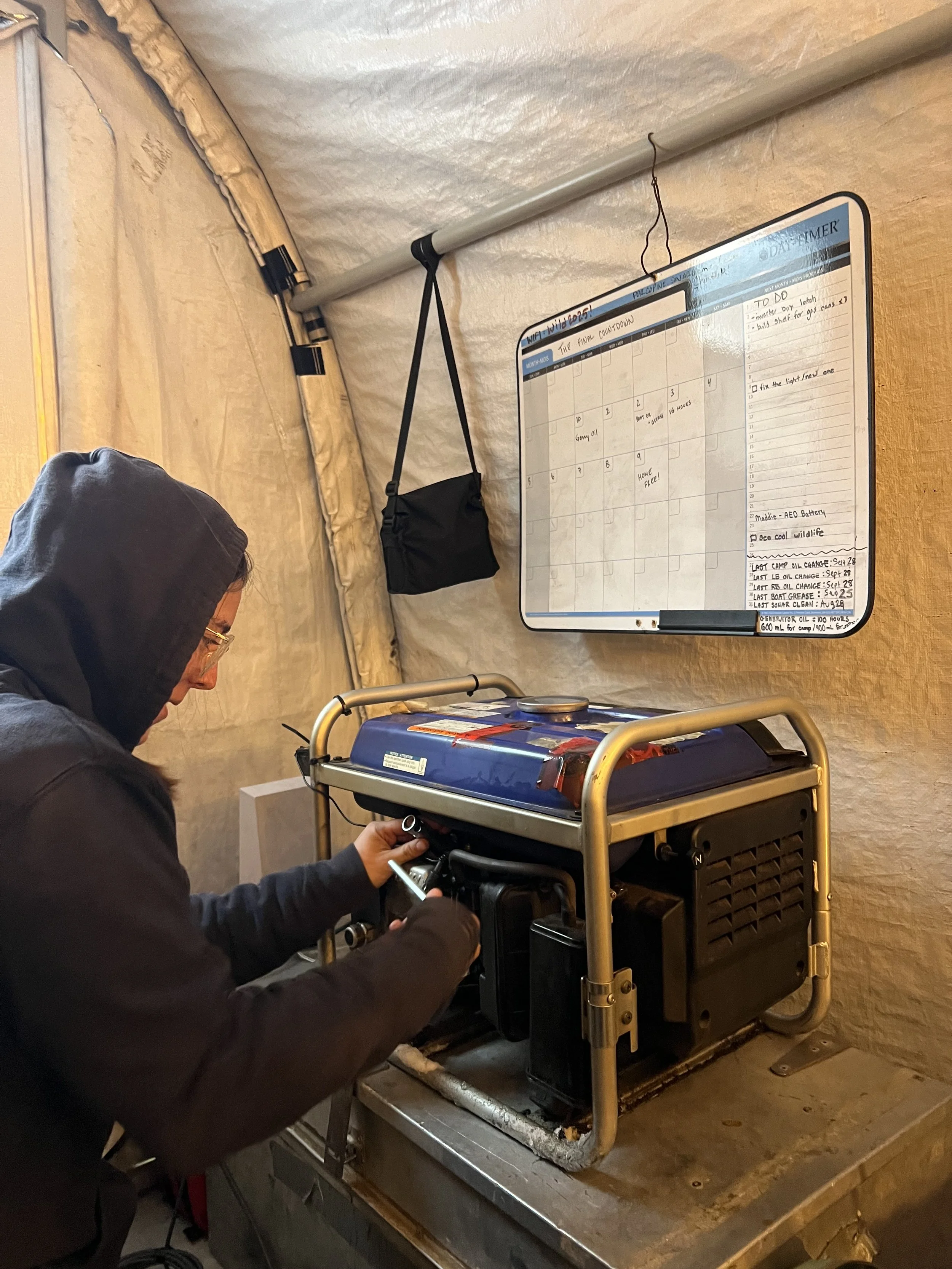
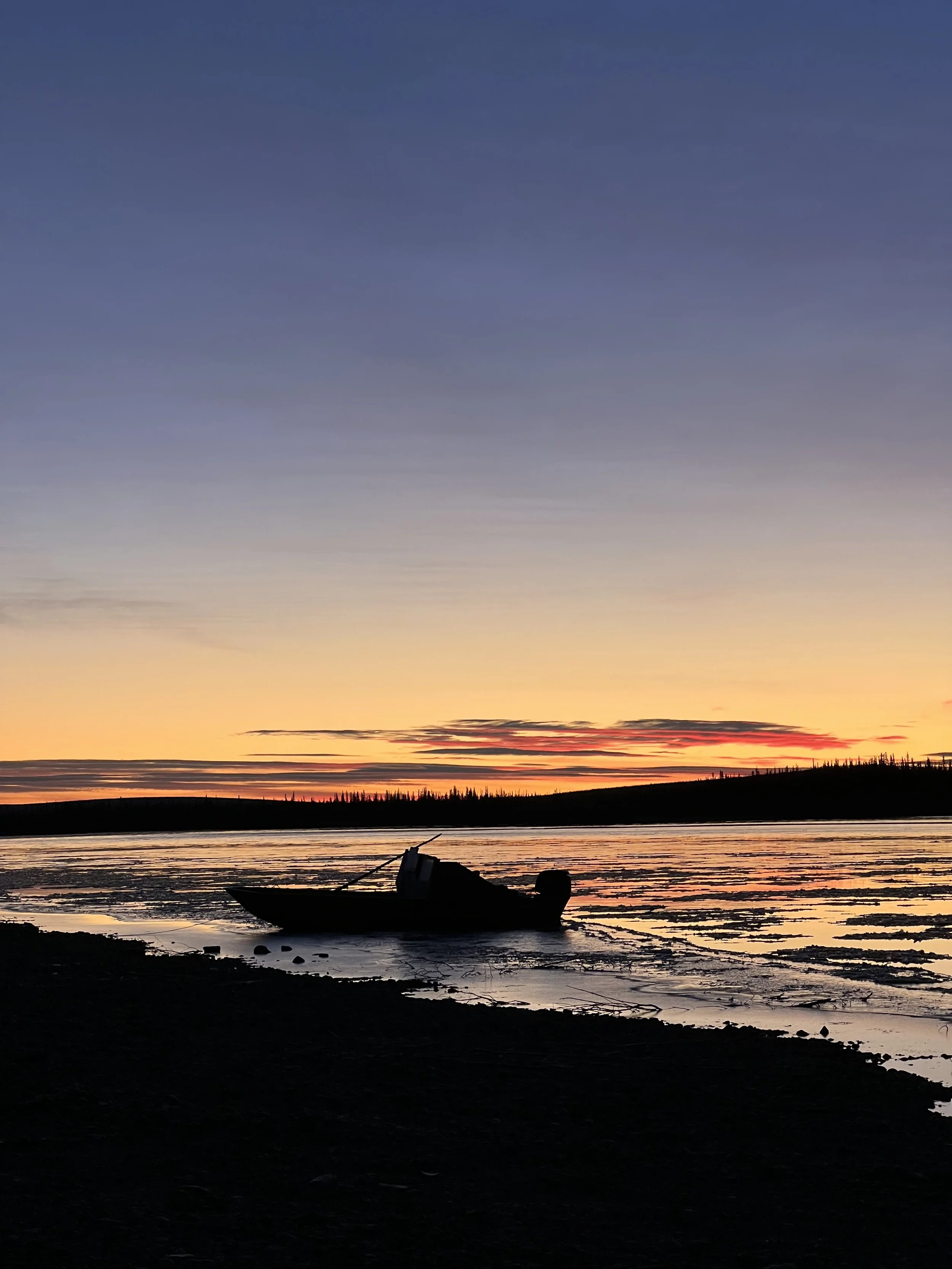
The quad engine sputters for a third time, I pat the handle bars encouragingly and try again, roaring to life the quad surrounds us in an exhaust cloud on this dark, freezing morning. The boat engine also requires some gentle coaxing and a warm hand on the throttle cable. An icy cruise down the Porcupine River and then it is time to fight the generators that run our camp and sonars. As you can see, patience and faith have become common themes at camp – and two lessons I am grateful to have learned from my time above the Arctic circle.
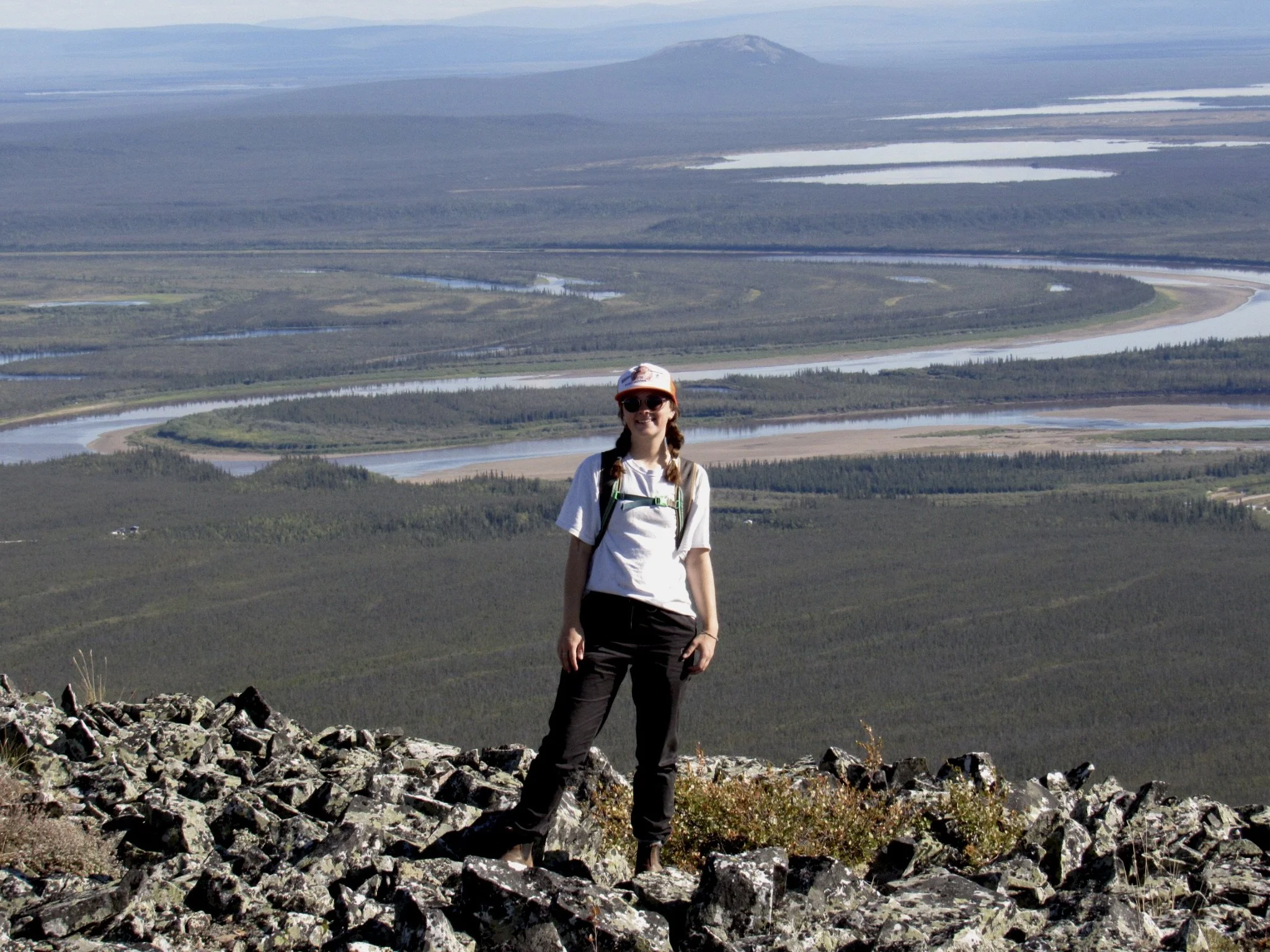
On a whim I took a short contract as an Aquatic Technician with the Department of Fisheries and Oceans that began in August 2025. What was a bit more chaos in an already chaotic year? I flew to Whitehorse on August 1st (without knowing if I had officially gotten the job) and spent a week exploring the gorgeous Yukon territory. I hadn’t realized how at home I would feel up there, but the feeling hit me instantly. Thankfully I was offered the contract and after a very short week of training in the office (4 days) I was shipped off to a sonar camp near Old Crow for my first 28-day shift.
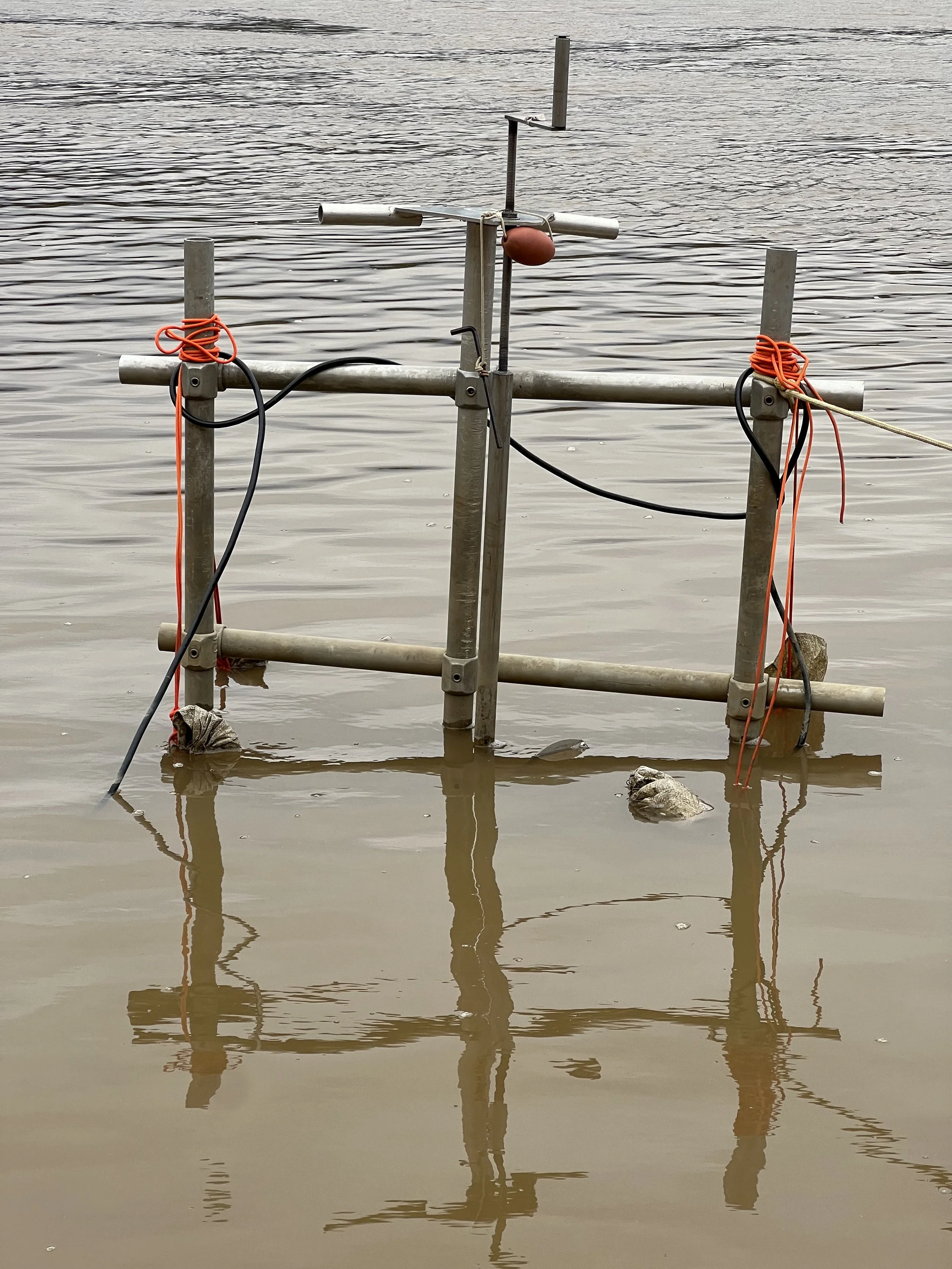
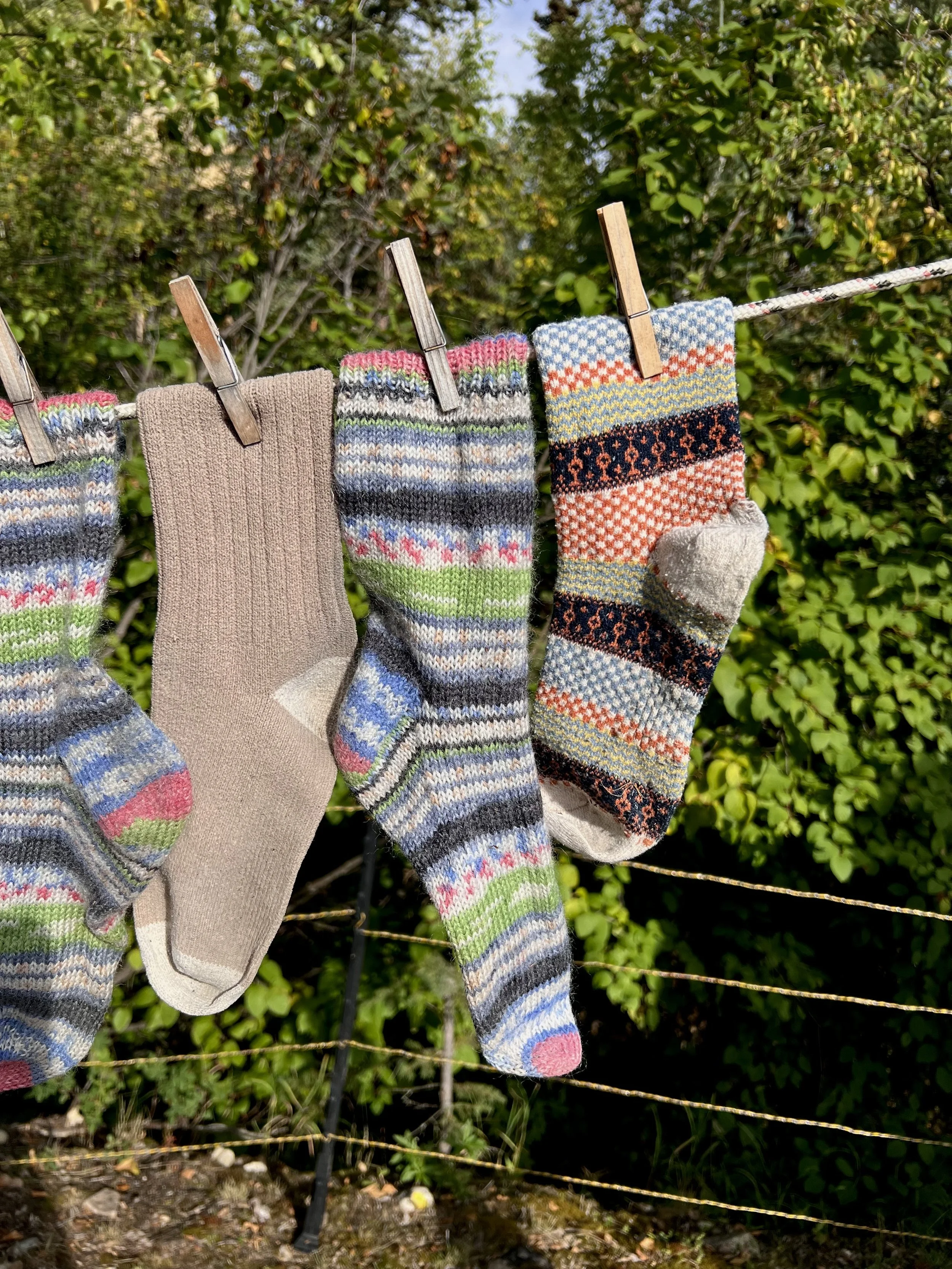
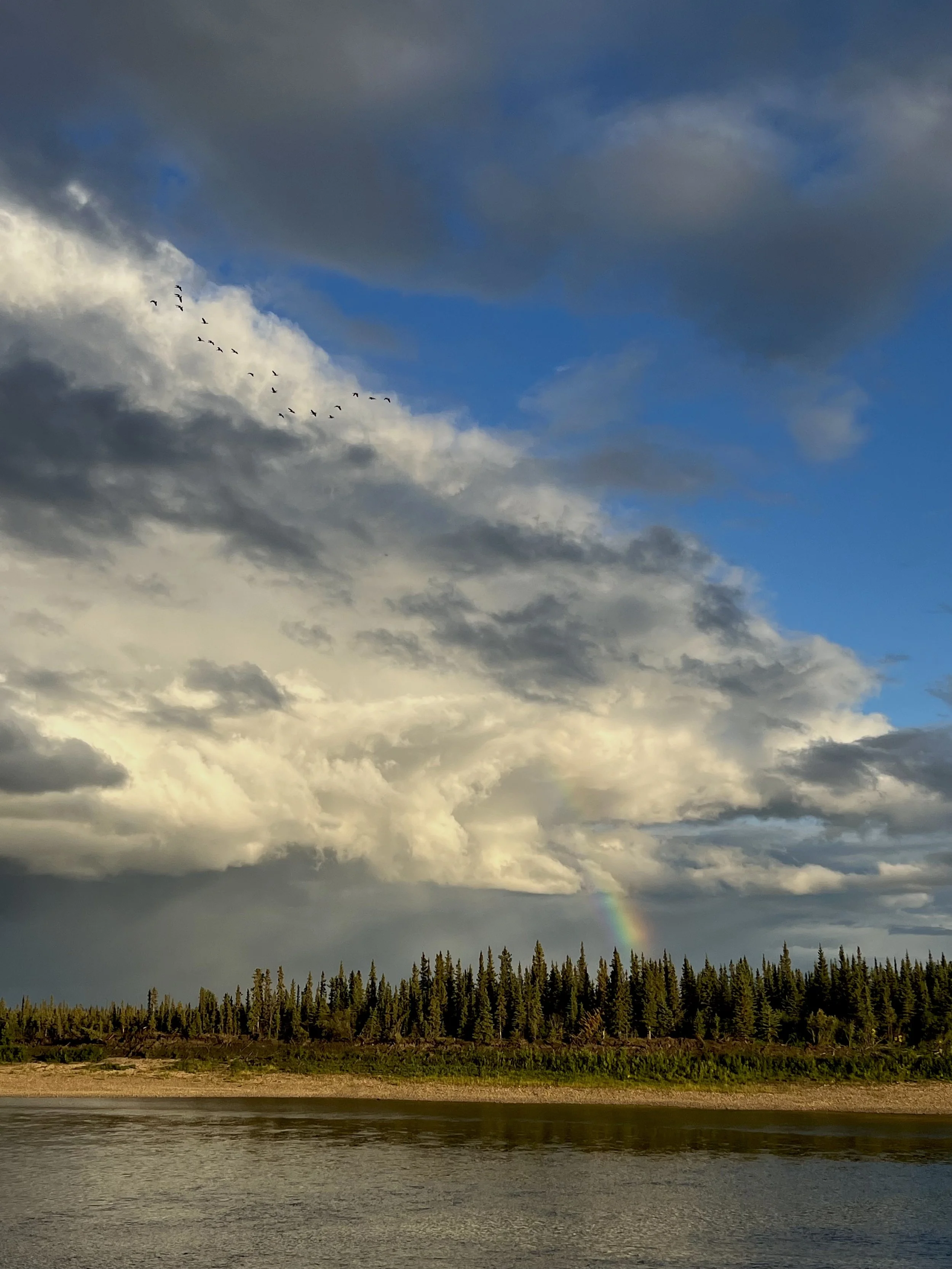
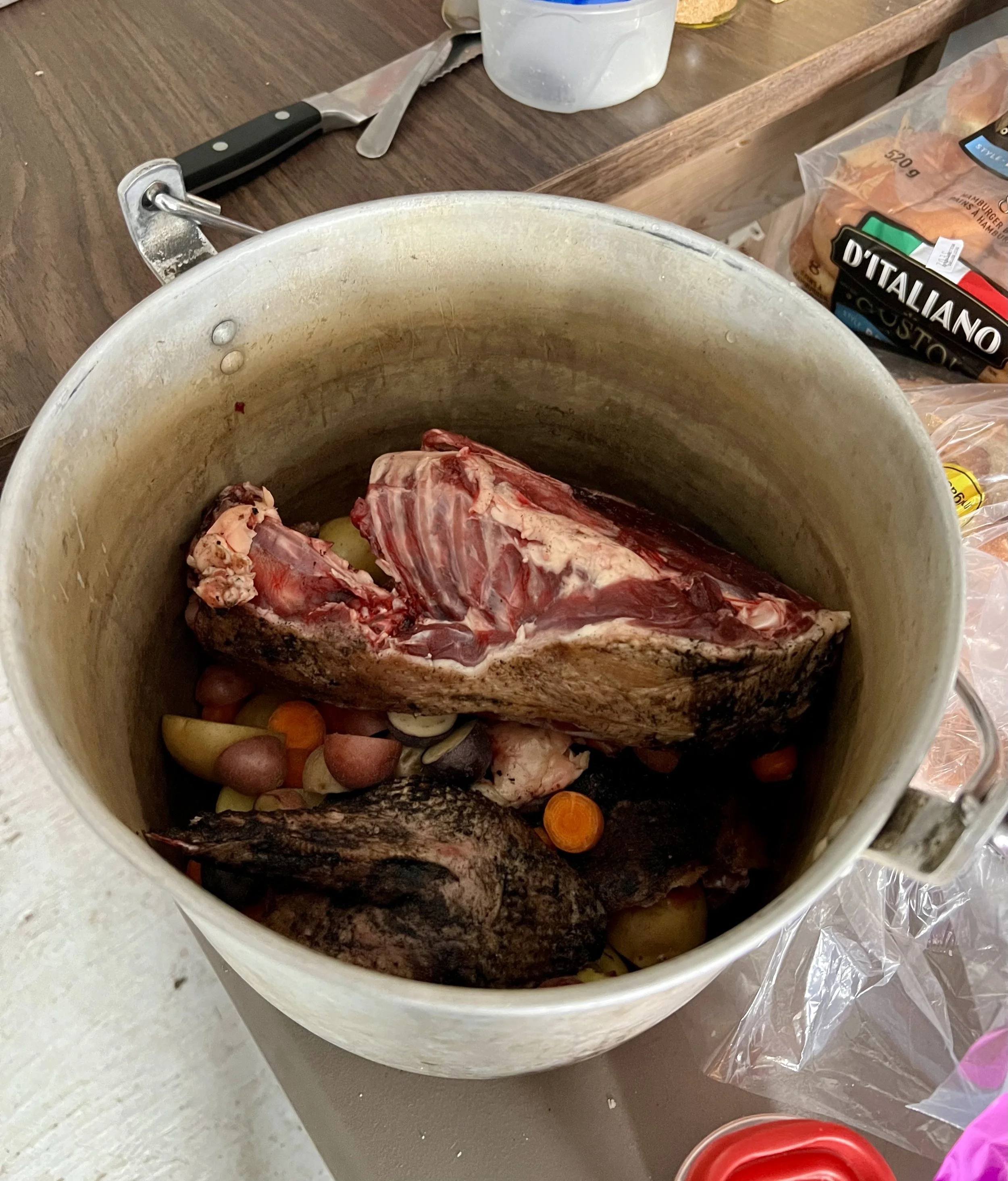
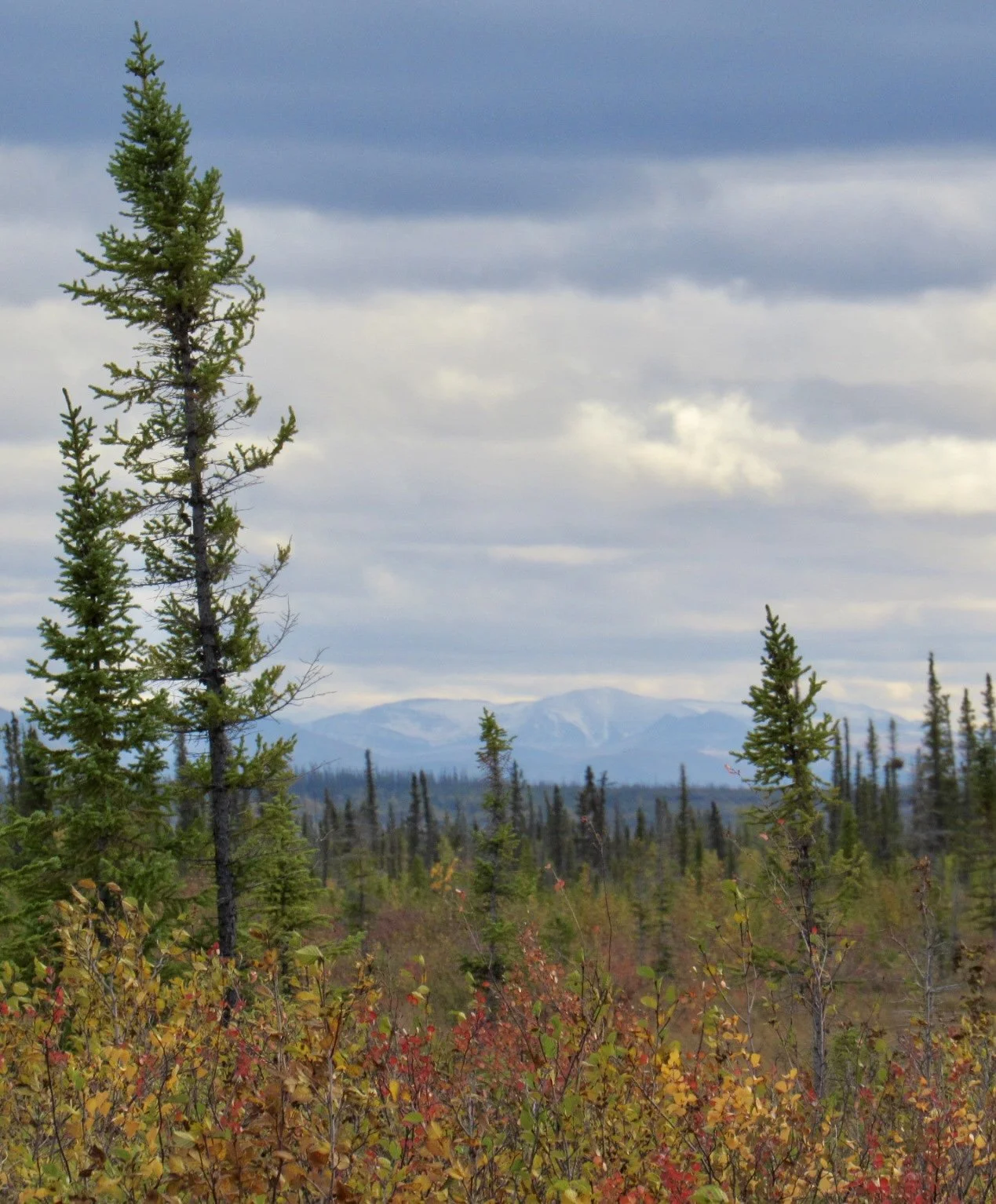
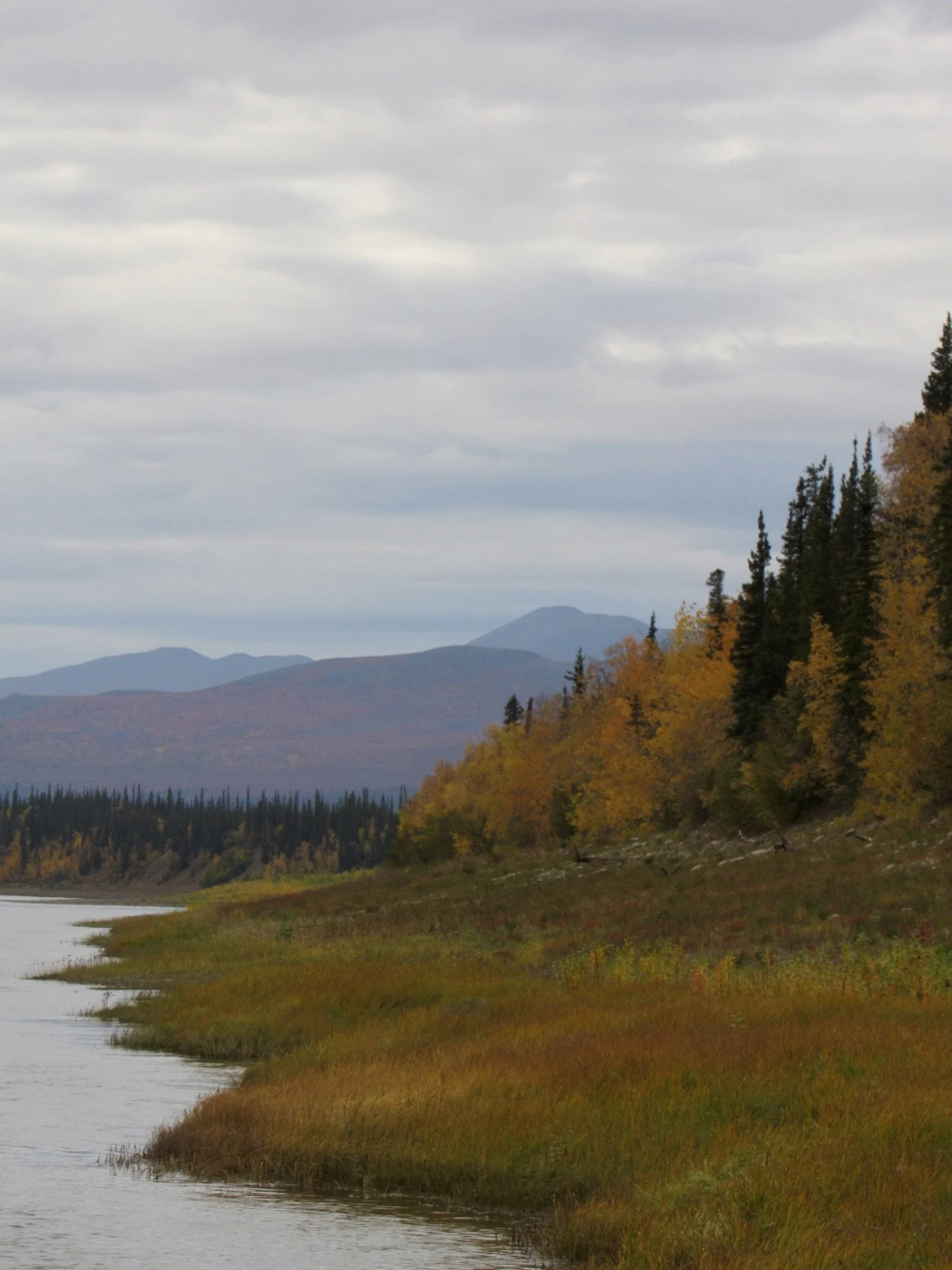
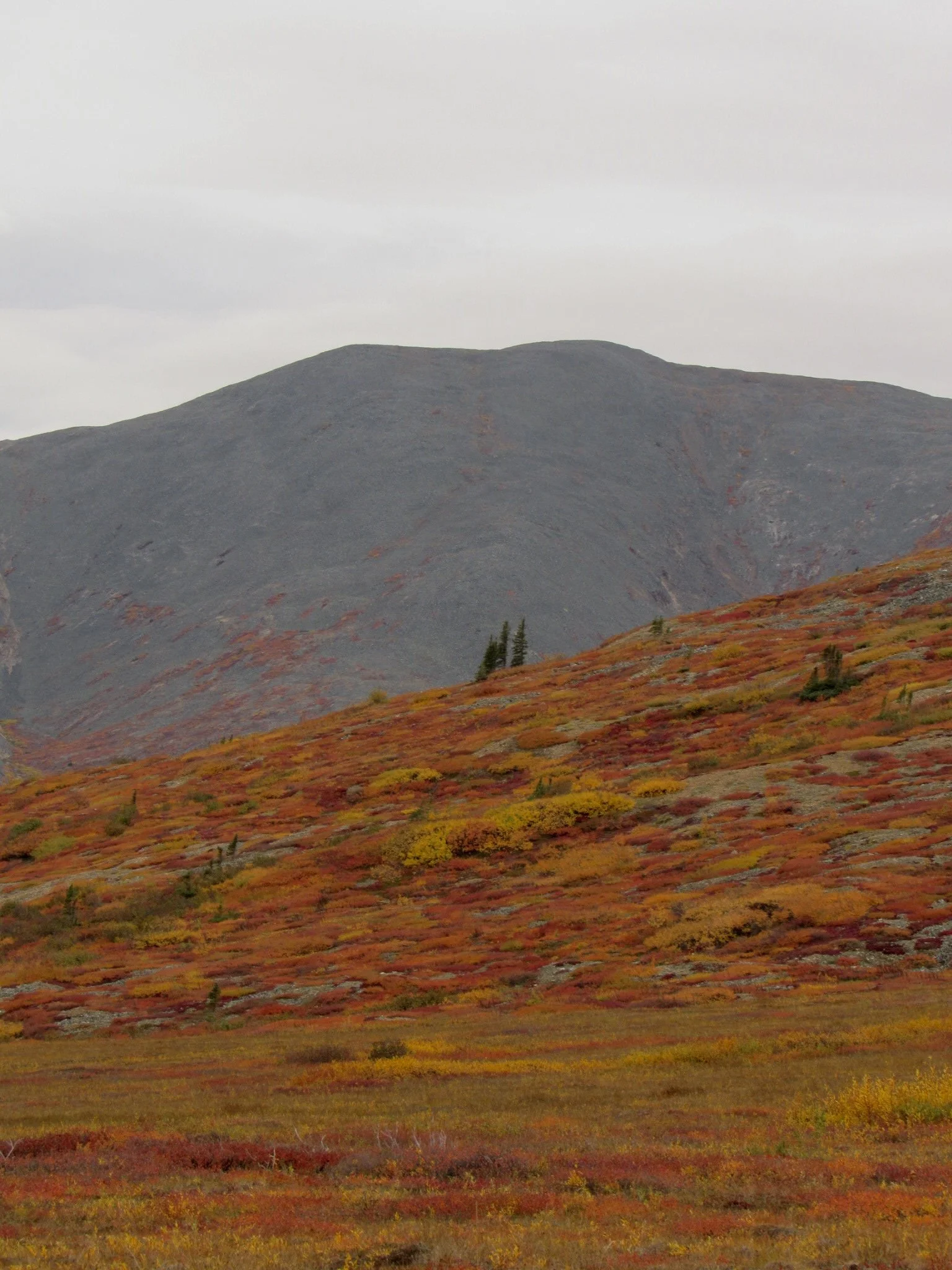
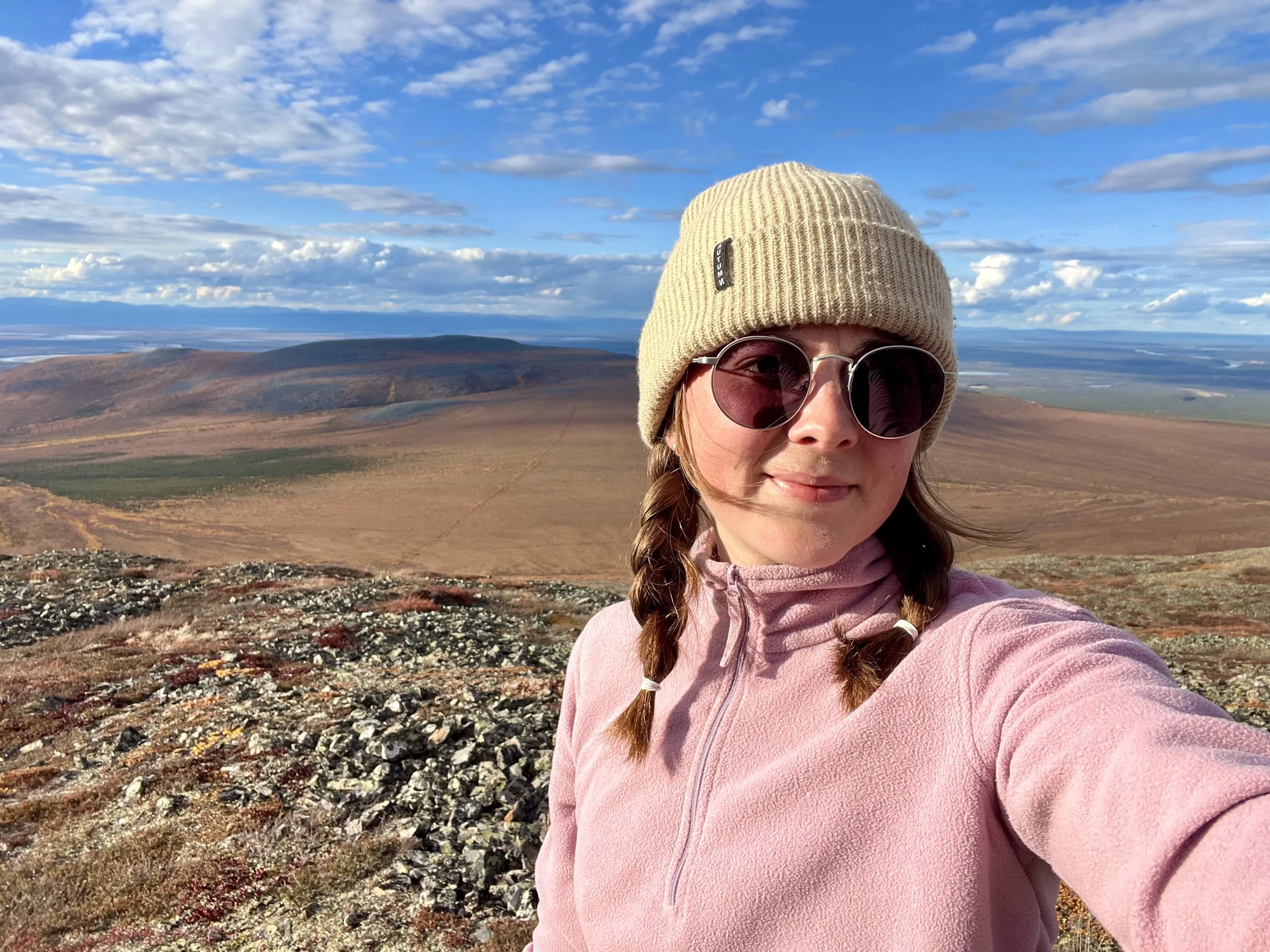
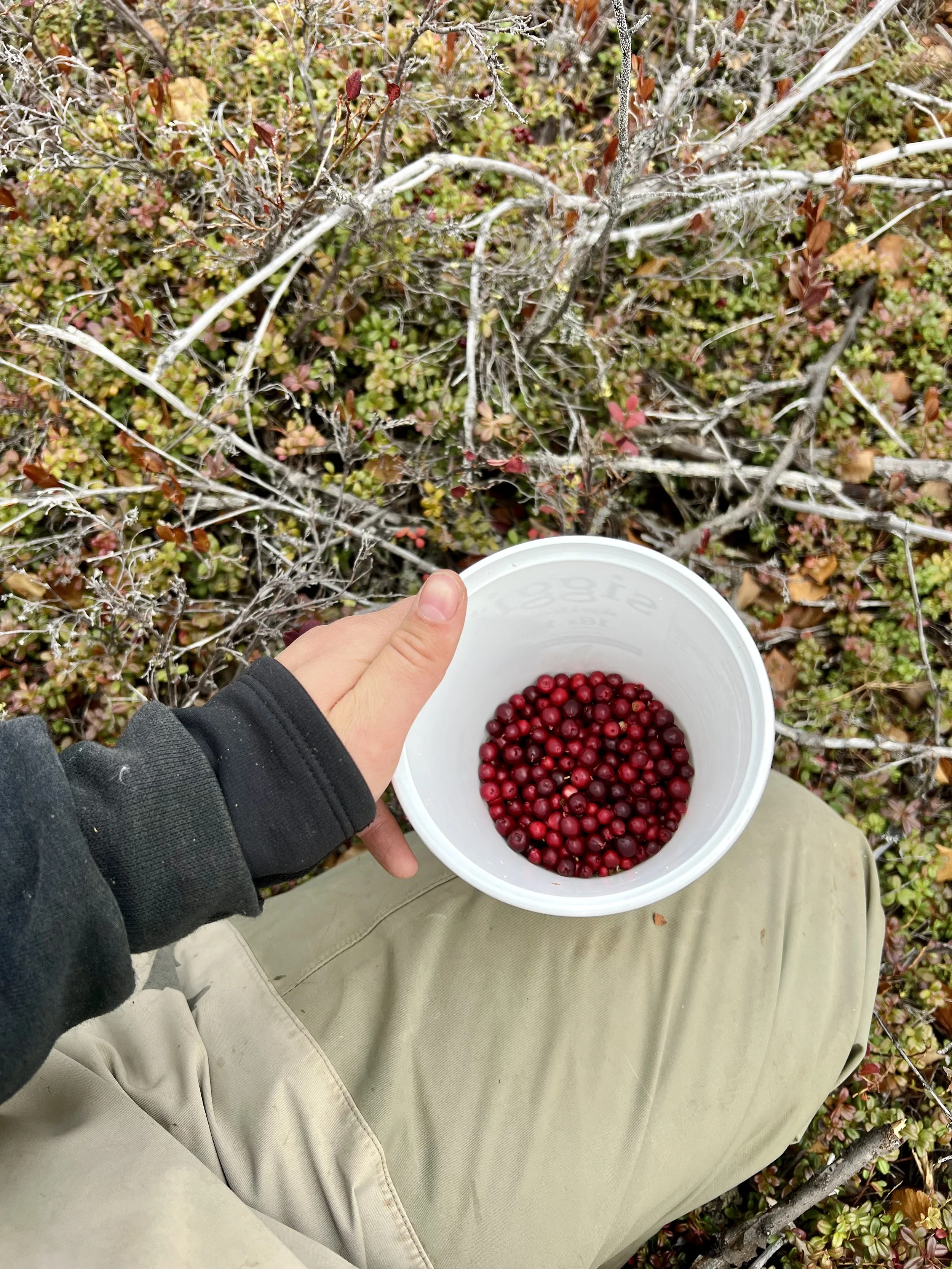
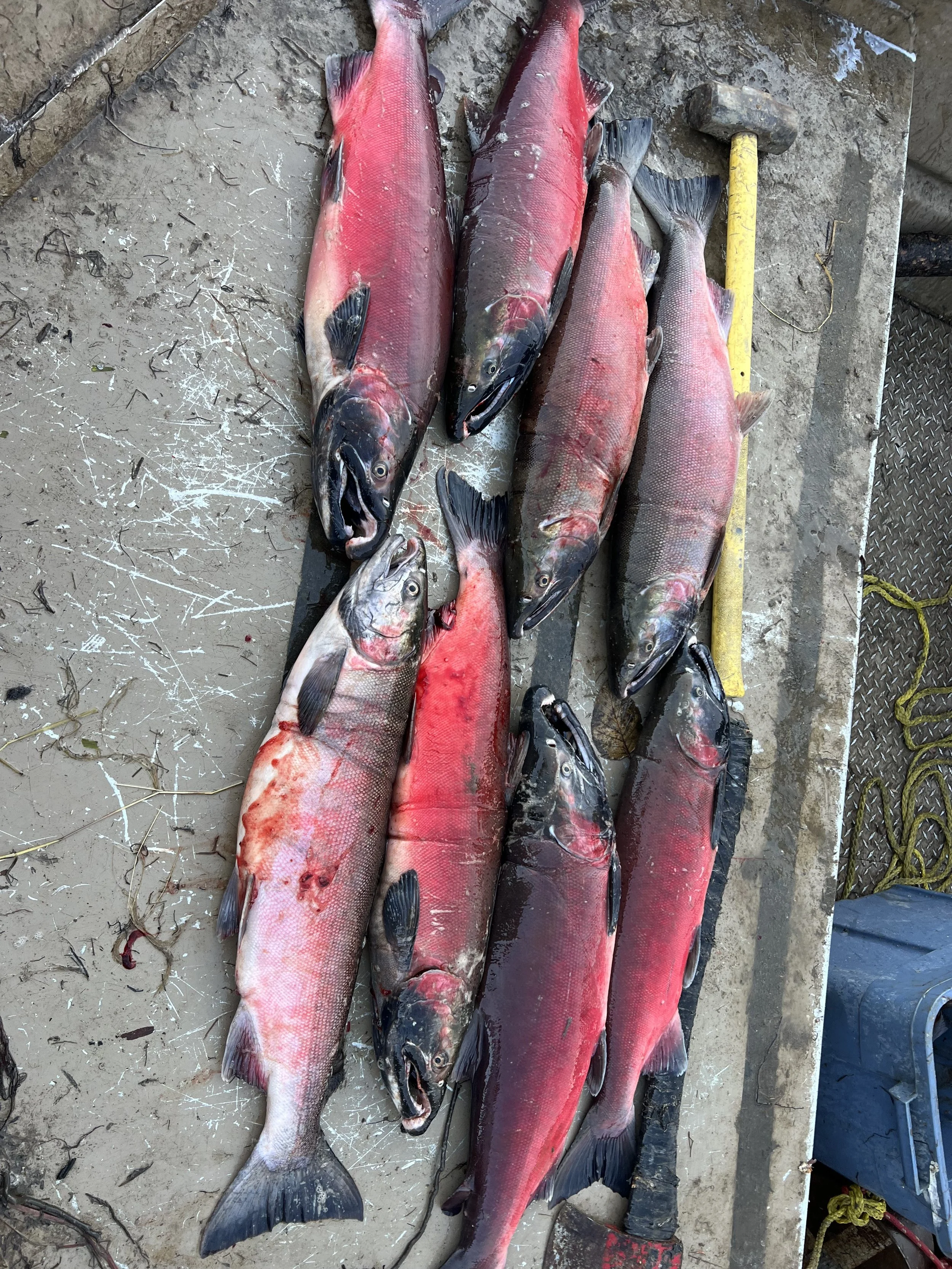
Now as mentioned, I took this job on a whim and had asked very few questions about the actual role. I was pleasantly surprised to learn that us technicians live in a small camp along the Porcupine River, consisting of three sleeping tents (one used as a perpetual gear drying rack), a kitchen tent (where the magic happened), a sonar tent (where the work happened), a storage shed and an outhouse. Our typical day began with lots of coffee and brekkie at 7:30 am, followed promptly by a battle with the generator. We spent the majority of the morning counting fish from the prior day that had been recorded on the sonars in the river, we then sent the fish number emails to the important people and boated over to check out the weirs. Lunch was usually leftovers (and more coffee). The afternoon saw us moving sonars if the river had changed and doing maintenance around the camp. As there was only two of us at camp at a time, we took turns cooking dinner. Food was shipped up with every shift change, so we learned to get creative with cooking and baking as supplies dwindled (or we would eat country foods like goose, moose, and berries!). In the evenings we enjoyed the sun if it made an appearance, had campfires, hiked nearby mountains or explore peatlands (which was my favourite activity).
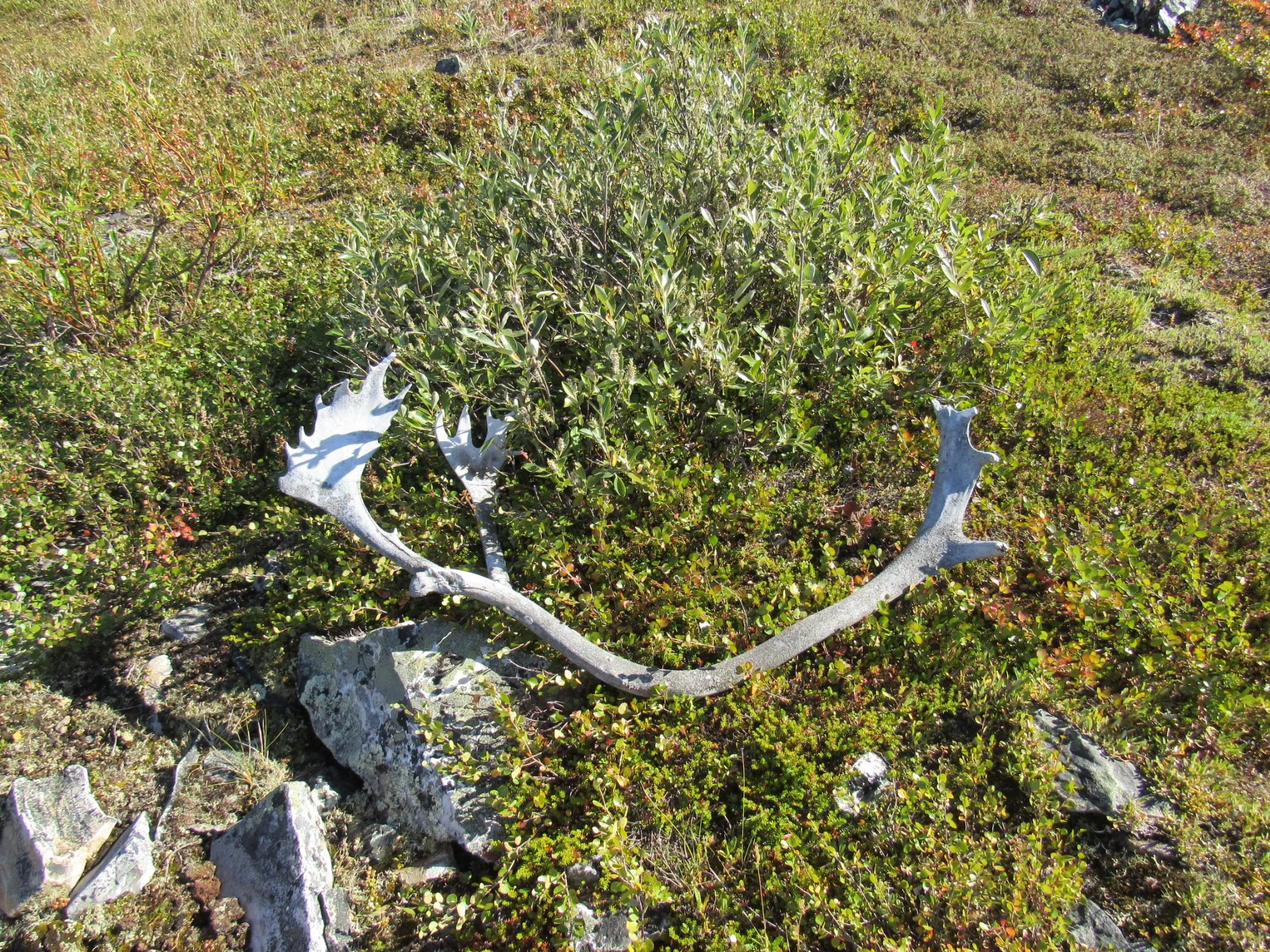
My first shift was 28 days, and I was reluctant to head back to Whitehorse by the end of it. I felt deeply connected the life and land of the Arctic. I was left with many questions about the history of the region (Beringia, volcanoes, peatlands, caribou). I also fell in love with the community of Old Crow; the inviting smiles and incredible stories. Driving around town on quads and stopping in the road to chat with people, checking out the museum and free store. I felt honoured and humbled to be welcomed by the community.
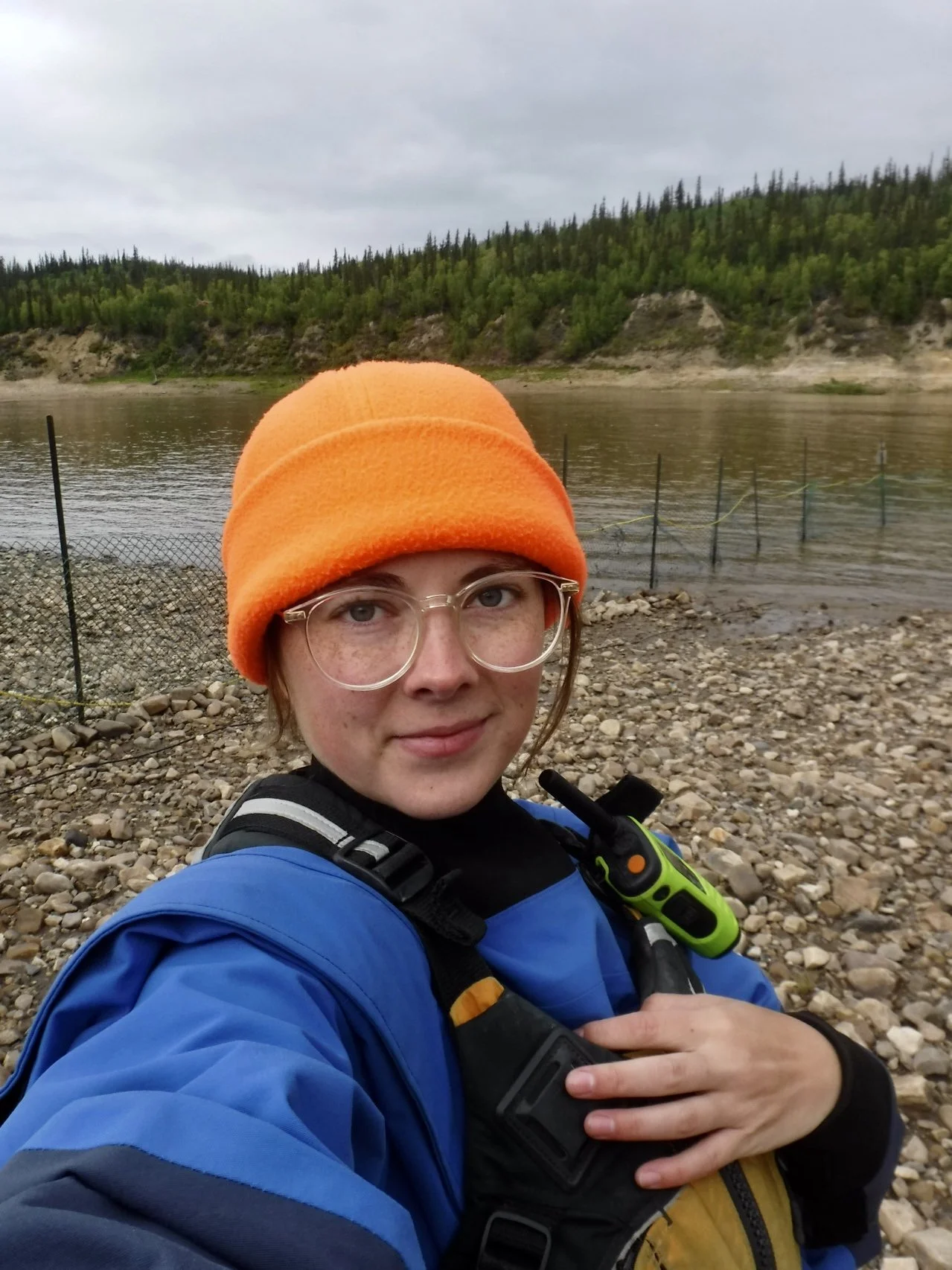
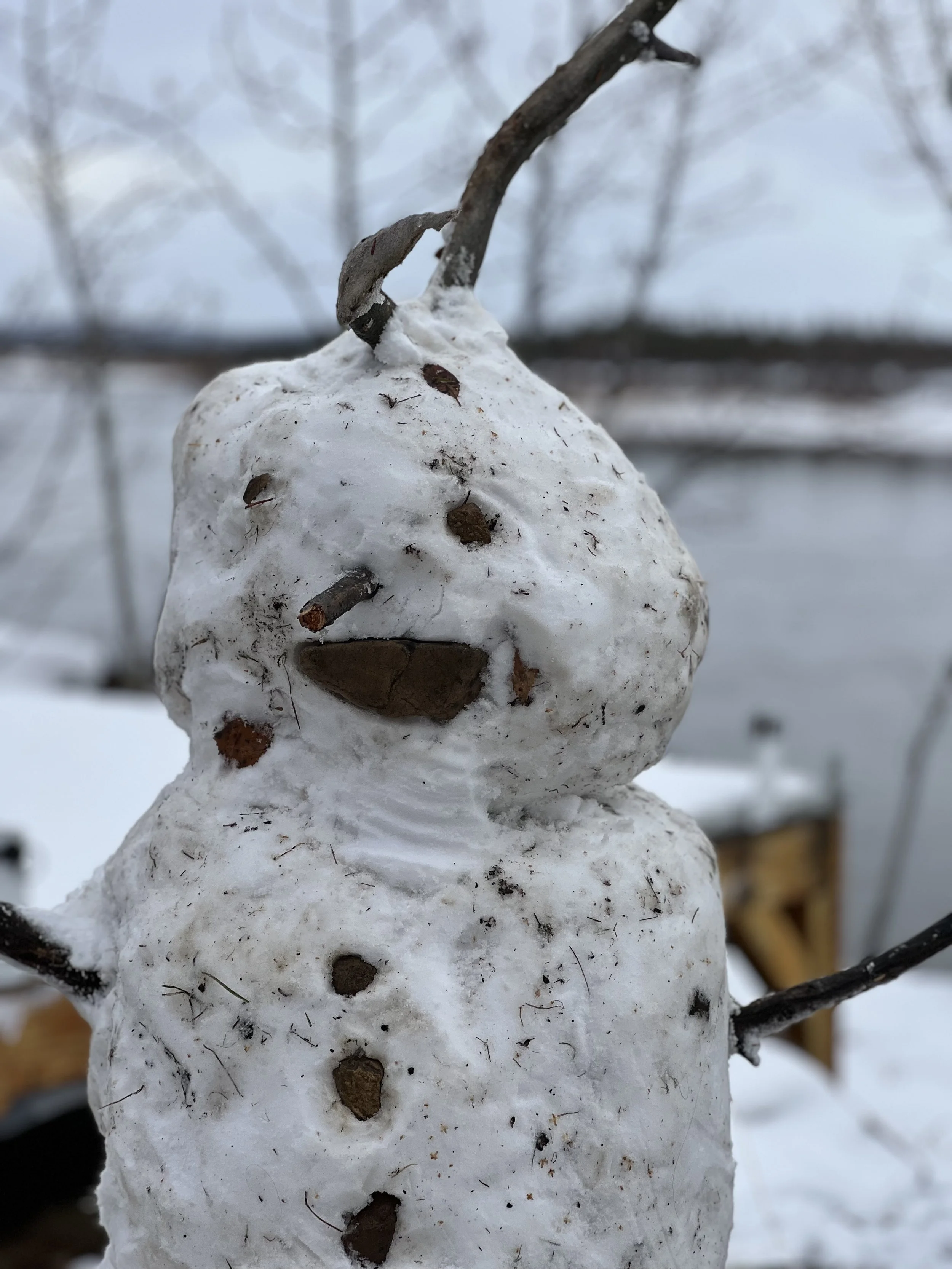
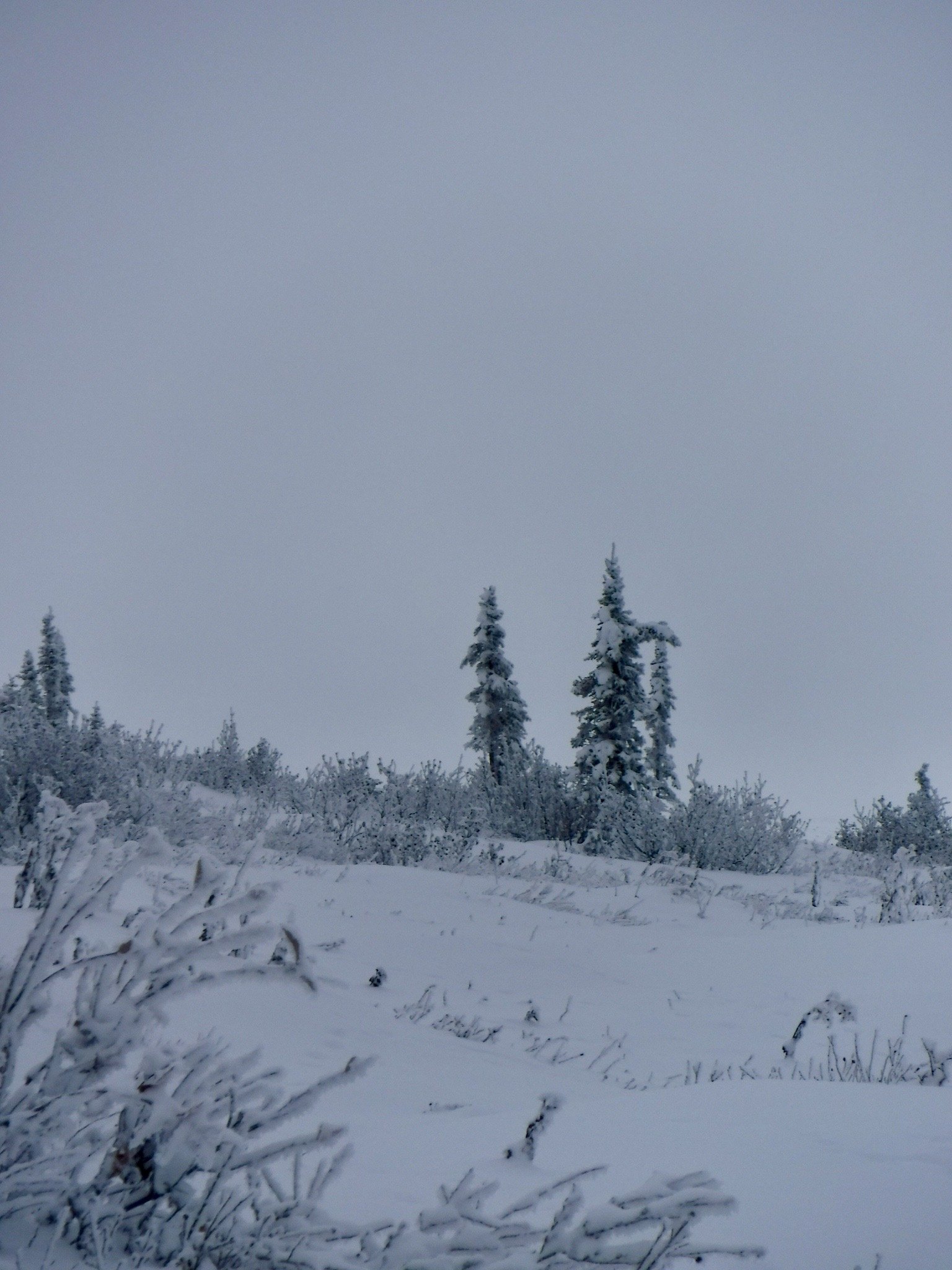
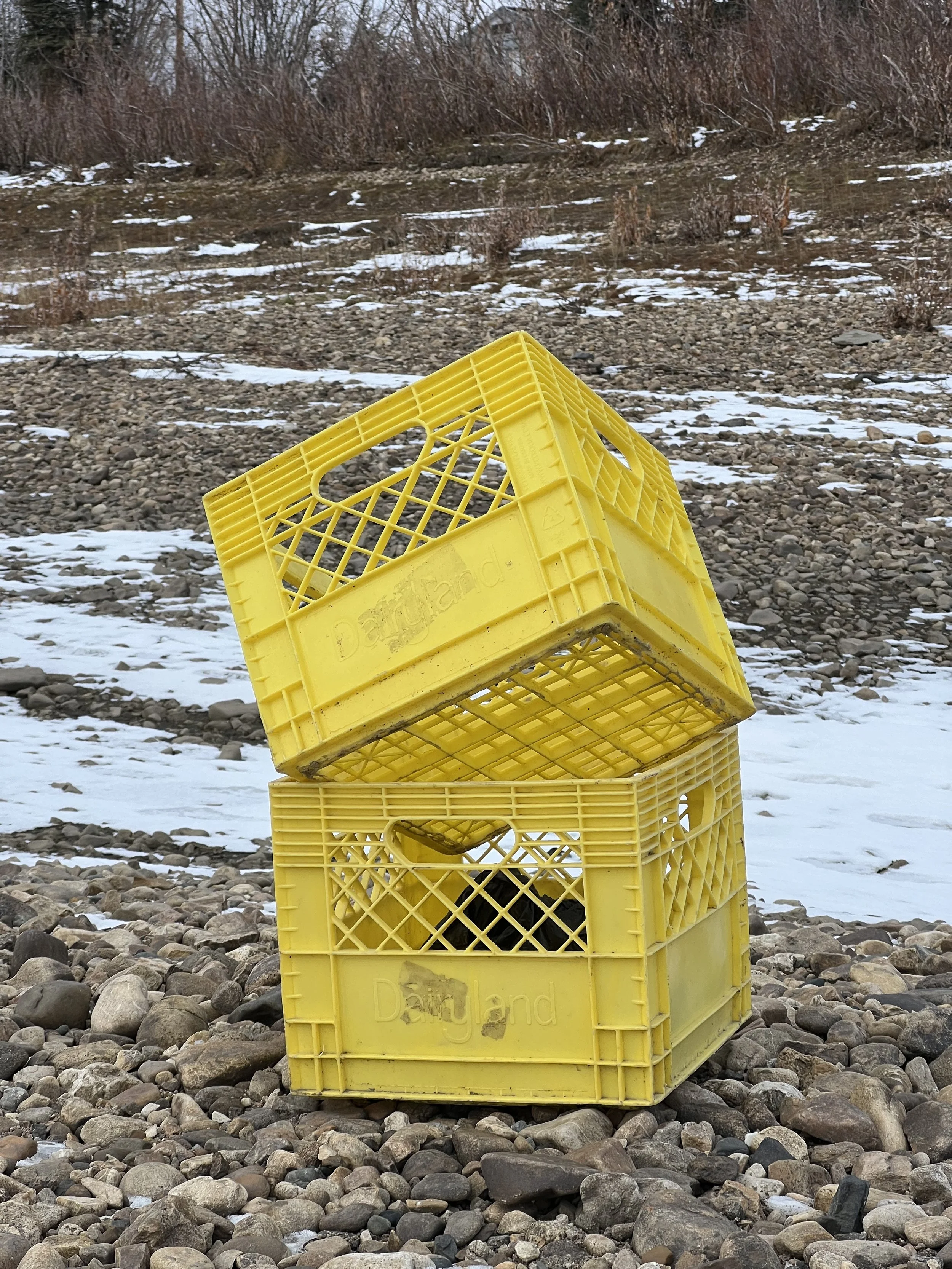
My second shift – only 21 days – was a very different experience, however. I left the warm autumn days of September back in Whitehorse and landed in Old Crow during what appeared to be the dead of winter. We migrated into town as it was too cold to stay at camp (only the sonars and sonar tent remained). While I was grateful for the hot showers and warm bed, the magic of camp life disappeared and the job felt more like, well, a job (complete with a commute and rush hour traffic). There was much less daylight, and everything struggled in the cold, including us. The majority of our time during this shift was spent coaxing engines to start, daily generator oil changes, and closing up camping (i.e. lugging the fridge and stove down the riverbank and boating it back to town).
My first shift gave me joy, peace, curiosity, laughter and rest. My second shift gave me resilience, strength, grit, community and gratitude. This 3-month contract was much more than just a job, and very likely saved my life during a time of great personal challenge. Màhsi’ choo to the people and land who held me during this time.
I spent my time on the traditional lands of the Vuntut Gwitchin First Nation (Old Crow) and the Kwanlin Dün First Nation (Whitehorse).